

By Kirsten Agard, Chair BDA
The Beaverton Downtown Association (BDA) is proud to announce the completion of its Pollinator Pathway, a community-led environmental initiative connecting native plant installations across downtown Beaverton. The project supports pollinators such as bees, butterflies, and other beneficial insects while strengthening partnerships between local businesses, volunteers, and civic institutions.
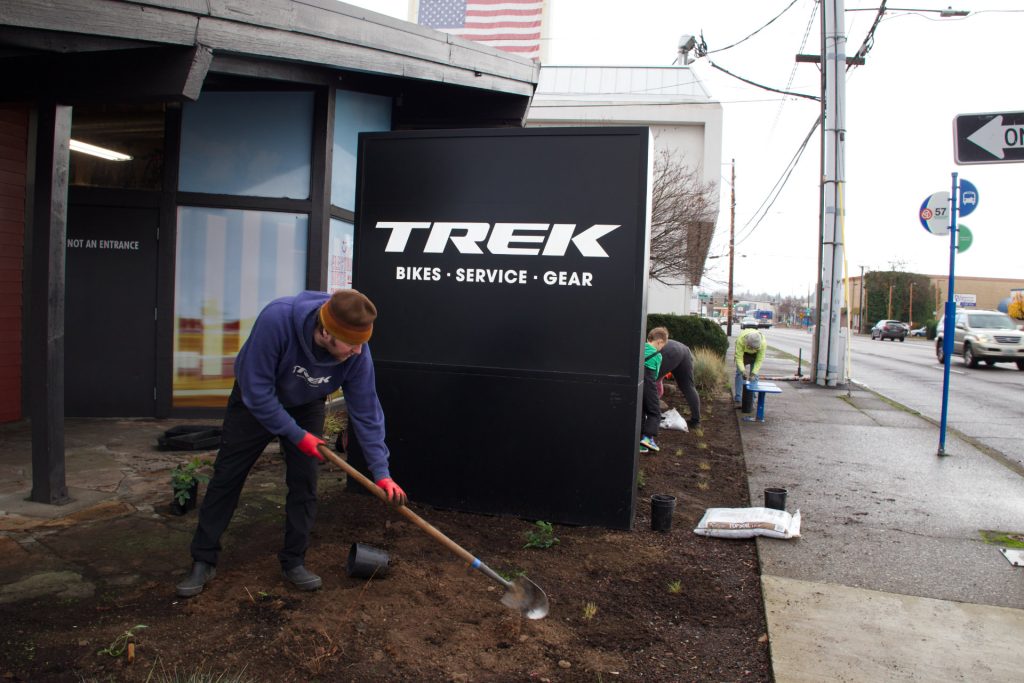
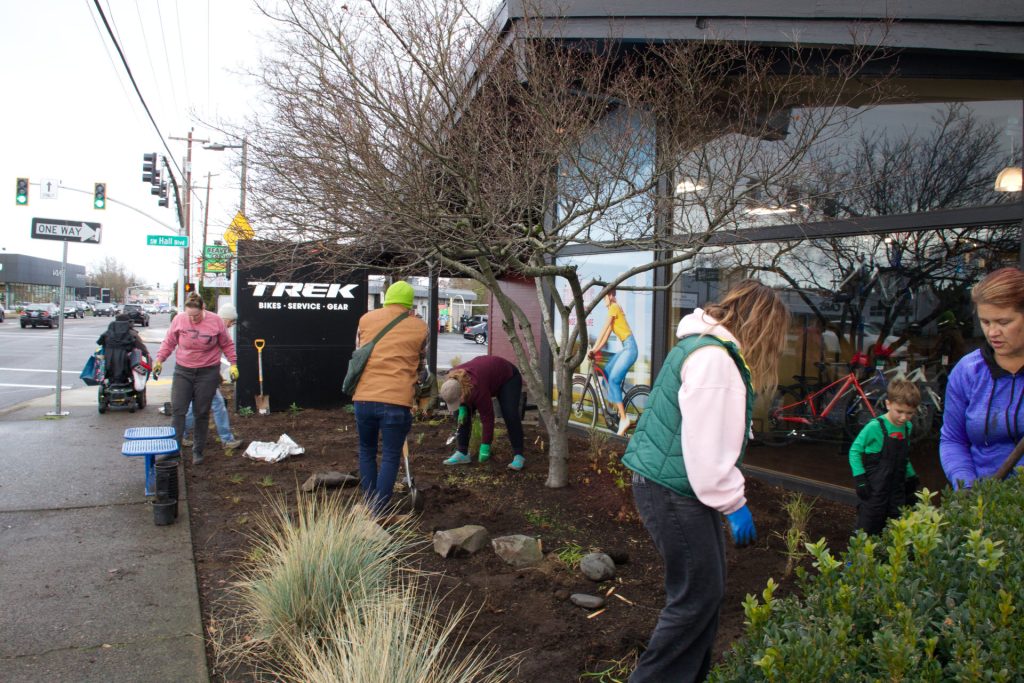
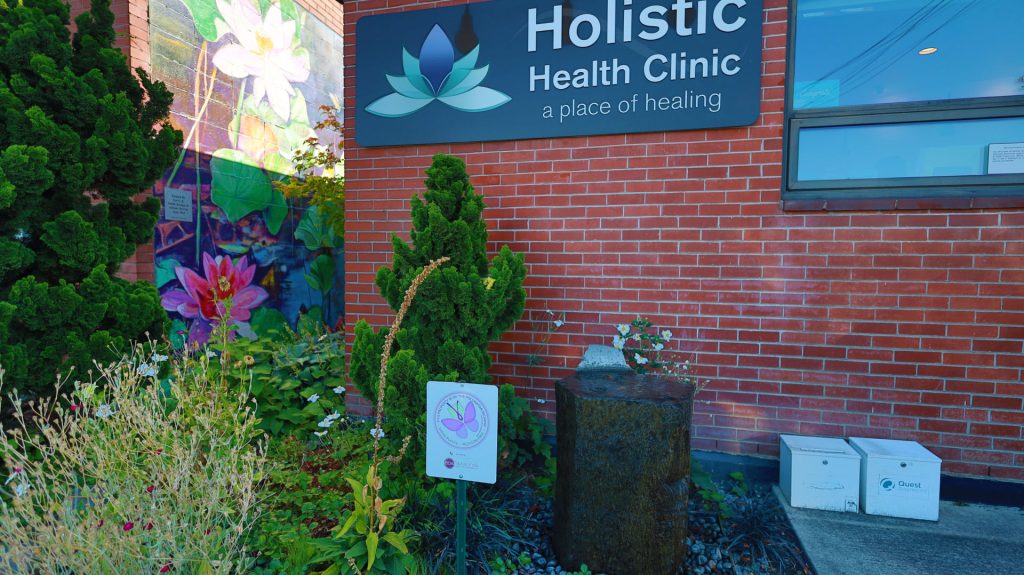
The completed pathway includes habitat “stops” at the Beaverton City Library, City Park, Alpine Group, Holistic Health, Global Art of Dance, Ickabod’s, United Methodist Church, Binary Brewing, Trek Bicycle Beaverton, and The Round—creating a continuous corridor of pollinator-friendly spaces throughout the downtown core.
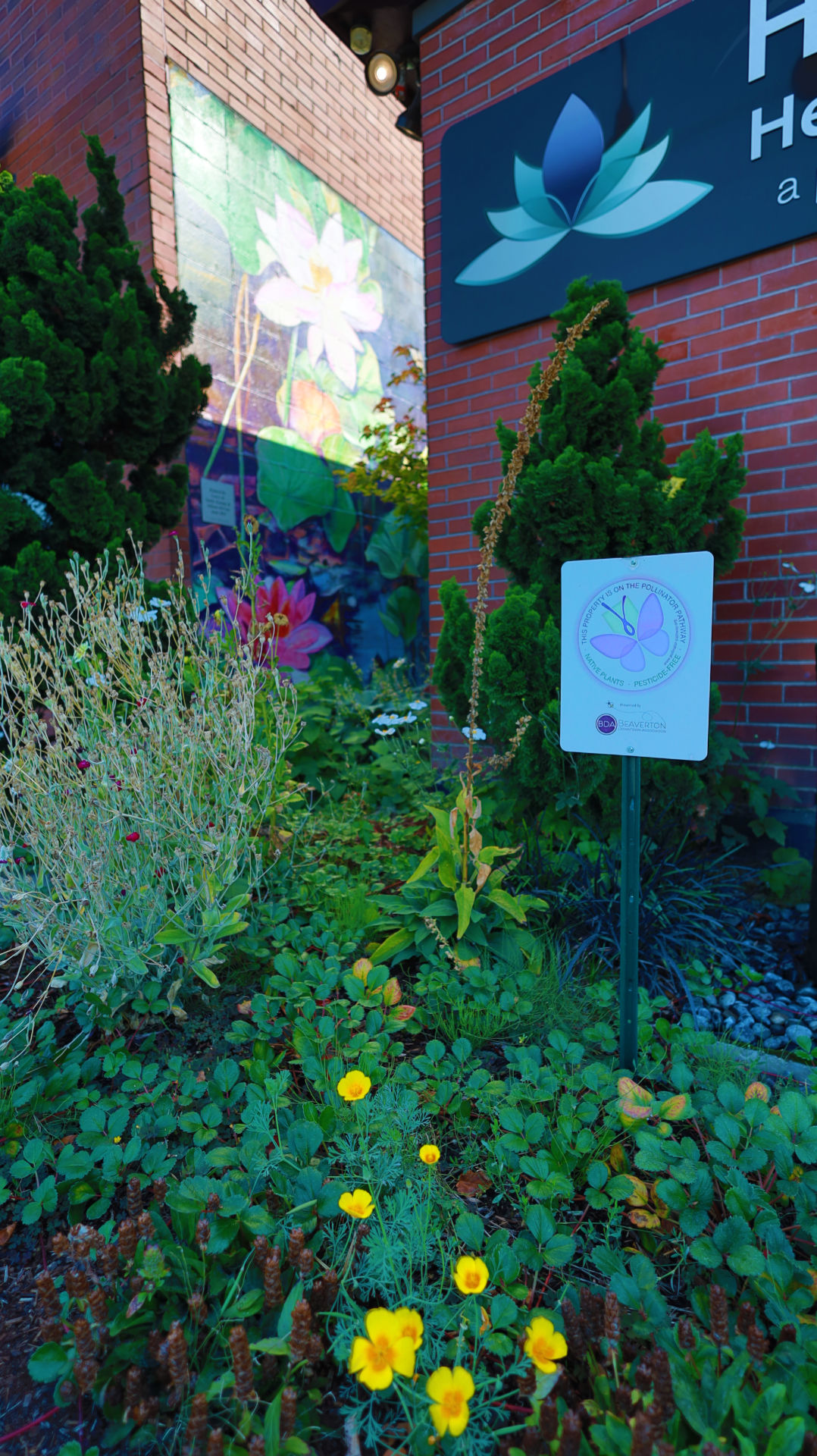
As a result of this work, the Beaverton Downtown Association has been officially certified by Pollinator Pathway, a national nonprofit dedicated to creating connected networks of pollinator habitat in communities across the country. The certification recognizes both the environmental impact of the plantings and the collaborative effort behind the project.
About Pollinator Pathway
Pollinator Pathway is a national nonprofit organization focused on restoring biodiversity by establishing connected corridors of habitat using regionally native plants. The organization’s model emphasizes linking gardens, parks, business properties, schools, and faith-based institutions into continuous routes that allow pollinators to safely forage and thrive despite habitat fragmentation caused by urban development.
Pollinator Pathway provides communities with regional plant guidance, certification standards, and educational resources, making it possible for neighborhoods, downtown districts, and municipalities to participate at any scale.
“Pollinator Pathway gave us a framework that was both achievable and impactful,” said the Beaverton Downtown Association. “It allowed us to build something that fits Beaverton’s downtown character while contributing to a much larger national effort.”
Community Support and Expertise
The Pollinator Pathway was made possible through a combination of local funding, volunteer leadership, and expert guidance. The BDA extends its sincere thanks to the Central Beaverton Neighborhood Association, whose $3,000 grant helped fund a portion of the native plants installed along the pathway.
The association also recognizes the foundational work of Joe Greer, Keegan Lucas, and Mark Noonan, former BDA Board Members whose early vision and advocacy helped bring the Pollinator Pathway from concept to reality.
A key contributor to the project’s success was Stacey Stewart, local plant expert, who helped design the plantings, source regionally native plants, and coordinate planting days across multiple locations.
“Choosing the right native plants is essential to creating habitat that truly supports pollinators,” Stewart said. “This project was thoughtful, well-coordinated, and rooted in long-term impact. It was exciting to help bring it to life with such a dedicated group of volunteers.”
Local businesses were enthusiastic partners in hosting pathway sites.
“At Trek Bicycle Beaverton, sustainability is core to who we are,” said David Staneck of Trek Bicycle Beaverton. “Being part of the Pollinator Pathway was a meaningful way to support both the environment and the downtown community. Seeing the pathway take shape has been incredibly rewarding.”
Volunteers echoed that sentiment, noting the visible and lasting impact of their work.
“It feels good to walk downtown and know you helped create something that benefits the environment and the community,” shared one volunteer. “This project brought people together in a really positive way.”
Looking Ahead: Bee City USA in 2026
Building on the success of the Pollinator Pathway, the Beaverton Downtown Association is now working toward achieving Bee City USA certification in 2026. Bee City USA is a national program that recognizes communities committed to pollinator conservation through education, habitat creation, and community engagement.
To support this next phase, the BDA is actively seeking additional volunteers and committee members interested in environmental stewardship, education, and community-based initiatives.
“The Pollinator Pathway is just the beginning,” the BDA said. “As we work toward Bee City USA designation, we’re inviting more community members to join us and help shape the future of this work.”
How Other Communities Can Get Involved
Pollinator Pathway welcomes participation from communities nationwide. Those interested in starting their own pathway can:
- Partner with Pollinator Pathway to access certification guidelines and regional plant lists
- Collaborate with local businesses, schools, parks, and faith organizations to host habitat sites
- Engage volunteers through planting days and educational events
- Use native plants that support pollinators throughout the year
- Share progress to inspire broader community involvement
Residents and visitors are encouraged to explore the Pollinator Pathway stops throughout downtown Beaverton and learn more about the vital role pollinators play in healthy ecosystems.
For information on volunteering or joining the Bee City USA committee, contact the Beaverton Downtown Association at [contact information].
Together, Beaverton is growing greener—one partnership, one planting, and one pathway at a time.